
- Products
- Quickship
- Clearance
- Services
- Projects
- Contact
- About Us
- Testimonials

Over the past few years, the workplace has experienced one of the most significant transformations in history. What was once a rigid, office-only environment has evolved into a more adaptable and human-centered model: the hybrid workspace. As organizations continue to embrace this change, designing work environments that support flexibility, productivity, and well-being has become more important than ever.
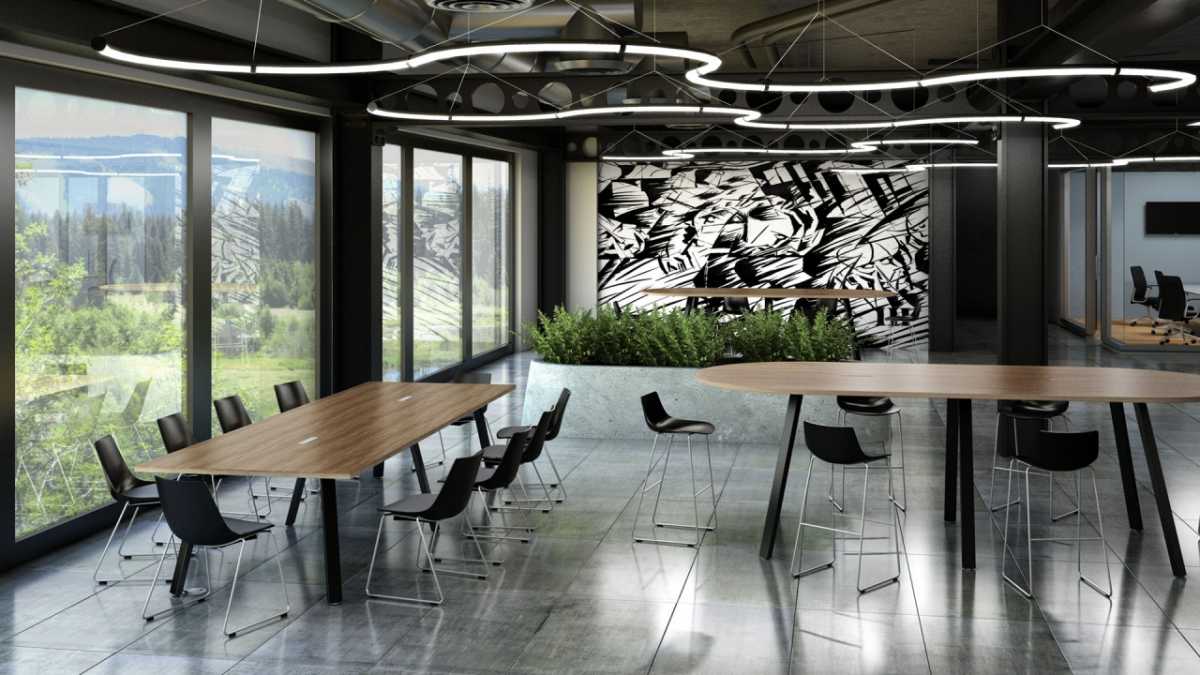
The essence of a hybrid workspace lies in balancing the benefits of remote work with the value of in-person collaboration. Teams need environments that allow for focused, independent work while also encouraging creativity and communication. Flexible layouts—whether through open collaboration areas, private focus rooms, or adaptable multi-purpose spaces—are shaping how businesses rethink their offices.
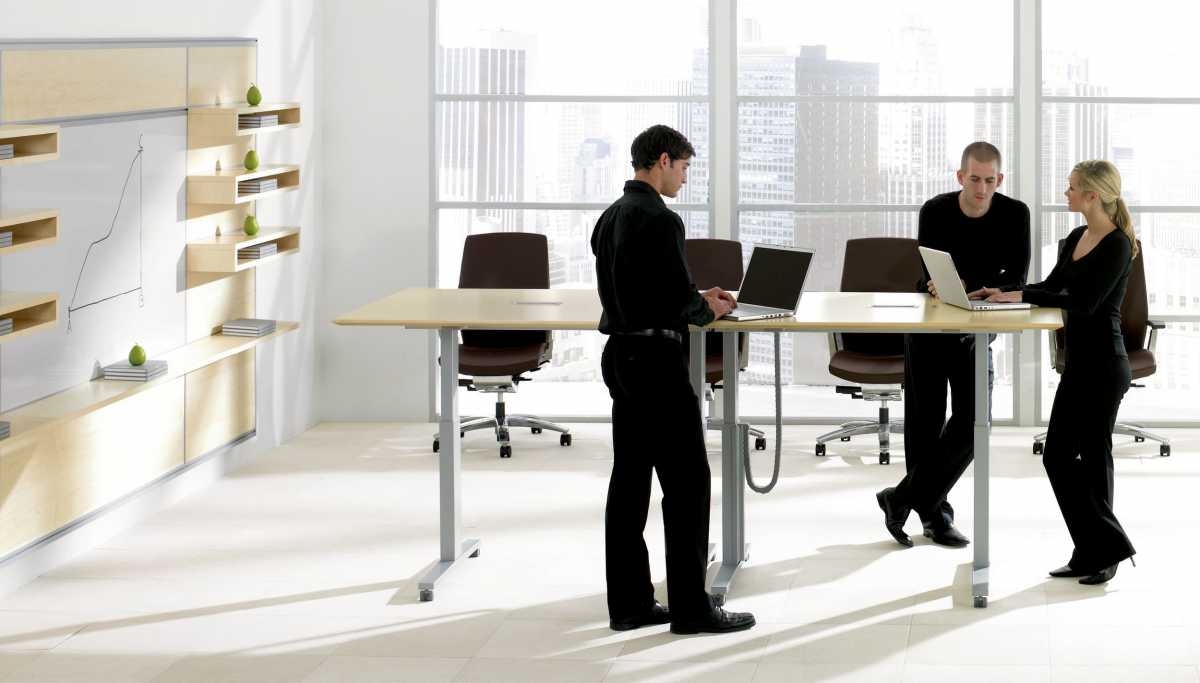
Modern workspaces are no longer defined by one-size-fits-all solutions. Instead, companies are prioritizing multi-functional areas that can transform based on daily needs. A space that serves as a meeting room in the morning may function as a collaborative brainstorming hub in the afternoon. This adaptability not only makes better use of real estate but also supports the dynamic flow of hybrid work.
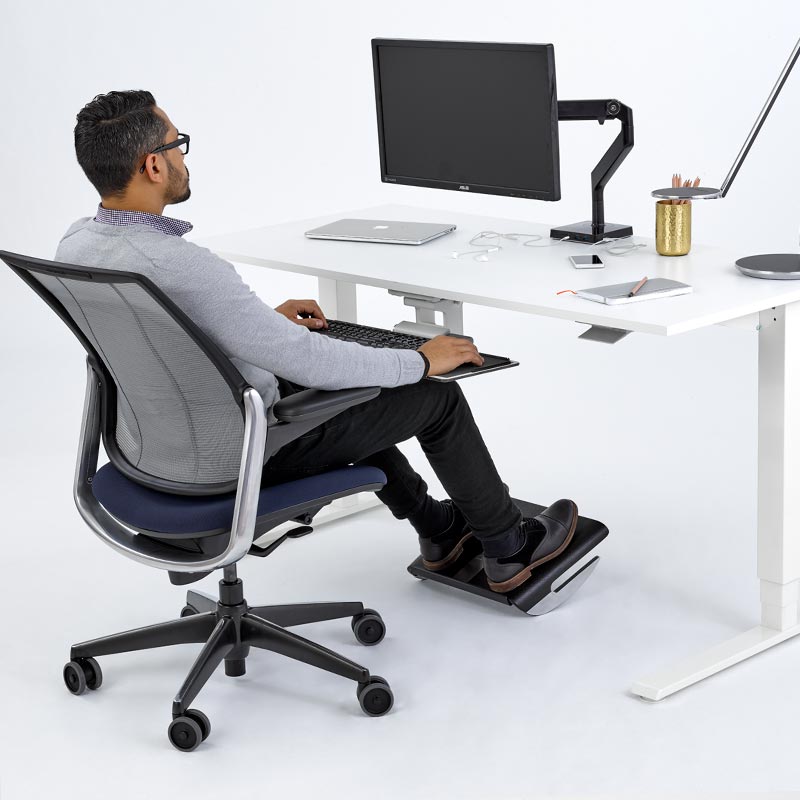
One of the key lessons learned from the shift to remote work is the importance of comfort and ergonomics. Employees who spent months working from kitchen tables and couches now expect office environments that prioritize health. Adjustable seating, supportive work surfaces, and spaces designed with movement in mind are no longer luxuries—they are essential to sustaining energy and productivity throughout the day.
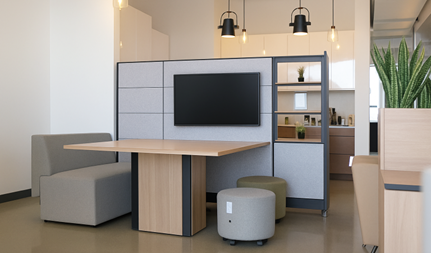
In a hybrid world, technology bridges the gap between in-office and remote employees. Video conferencing tools, smart booking systems, and integrated collaboration platforms ensure seamless communication across locations. Yet, the physical design of the workspace plays an equally important role in supporting this technology—quiet zones, proper acoustics, and tech-ready rooms are becoming standard features.
Hybrid work is here to stay, and with it comes the opportunity to redefine how and where we work. By prioritizing flexible design, employee well-being, and integrated technology, companies can build environments that inspire connection and performance. The offices of tomorrow will not be static—they will be living, evolving spaces that adapt to the people who use them.
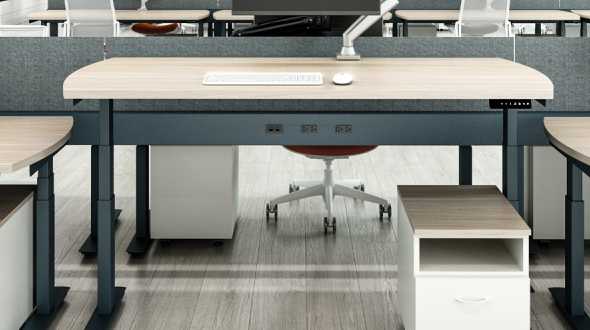
Today's most successful organizations no longer view the workplace as simply a place to conduct business. Instead, they recognize it as a strategic asset—one that influences productivity, strengthens company culture, enhances employee well-being, and shapes the experience of every client who walks through the door. The workplace is often the first physical representation of...
+ Read More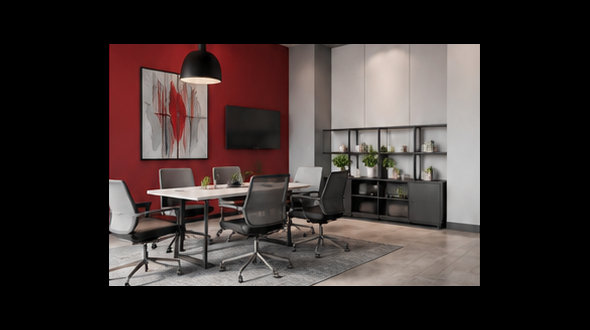
Speed defines competitive advantage in 2026. Markets shift faster. Teams execute tighter deadlines. Talent expects more. Yet many organizations are still operating in spaces designed for a different era—offices that unintentionally create friction instead of momentum. An office should accelerate performance, not quietly restrict it. Design That Removes Friction...
+ Read More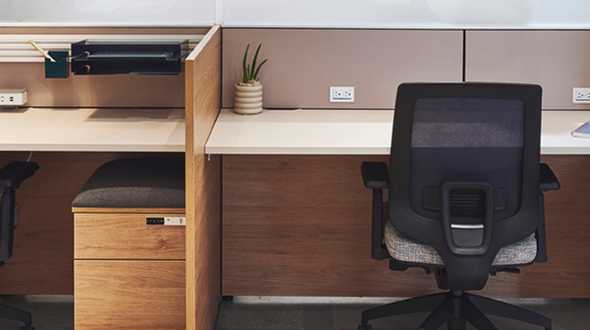
As we launch into 2026, businesses everywhere are focusing squarely on growth, productivity, and sustained performance. In an increasingly competitive world—where clarity, speed, and consistency matter more than ever—the environments in which we work have evolved from background necessities into strategic assets. This year, the organizations that thrive will be those that intentionally...
+ Read More

