
- Products
- Quickship
- Clearance
- Services
- Projects
- Contact
- About Us
- Testimonials

Work-related stress is often tied to tight deadlines and demanding projects — but the physical workspace plays a bigger role than many realize. A thoughtfully designed office can do more than look good; it can ease anxiety and sharpen concentration.
Whether it’s a busy corporate office or a small startup studio, here are four impactful ways to design a workspace that naturally reduces stress and supports better focus — all while making smart furnishing choices.
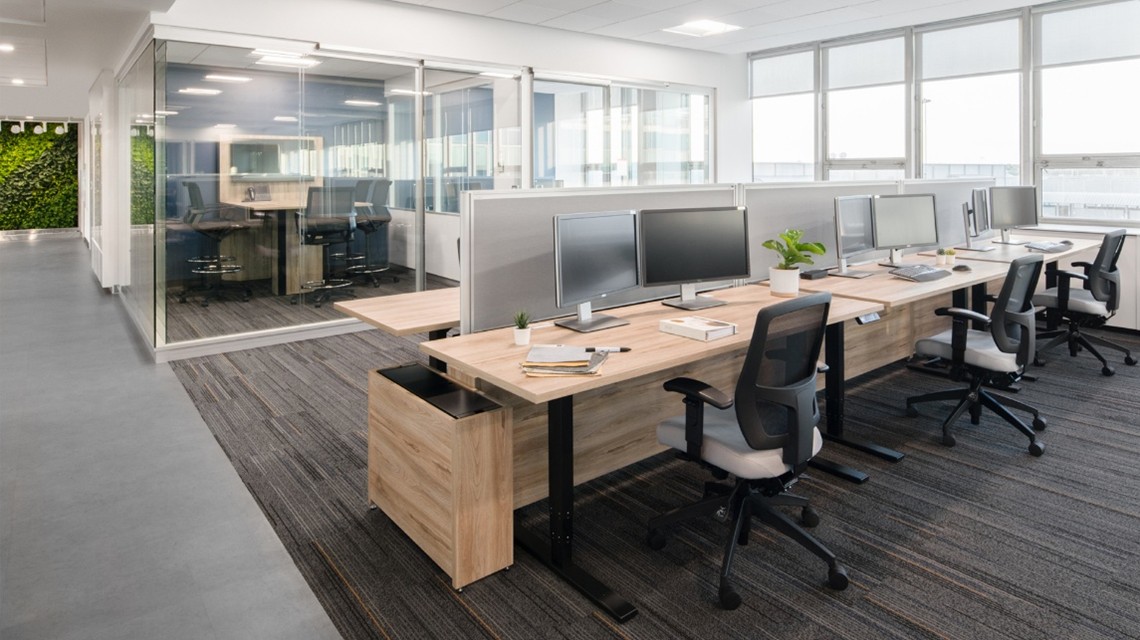
1. Prioritize Comfort and Ergonomics
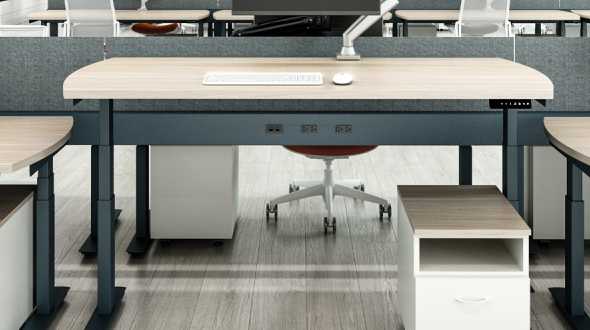
Long hours at a desk can take a toll on both body and mind. Ergonomic office chairs, height-adjustable desks, and well-placed monitor arms aren’t just about physical health; they also reduce fatigue that leads to stress and distraction.
When people aren’t constantly shifting or dealing with back pain, they can stay focused longer. Even small touches, like footrests or adjustable task lighting, add to a sense of physical ease that translates to mental calm.
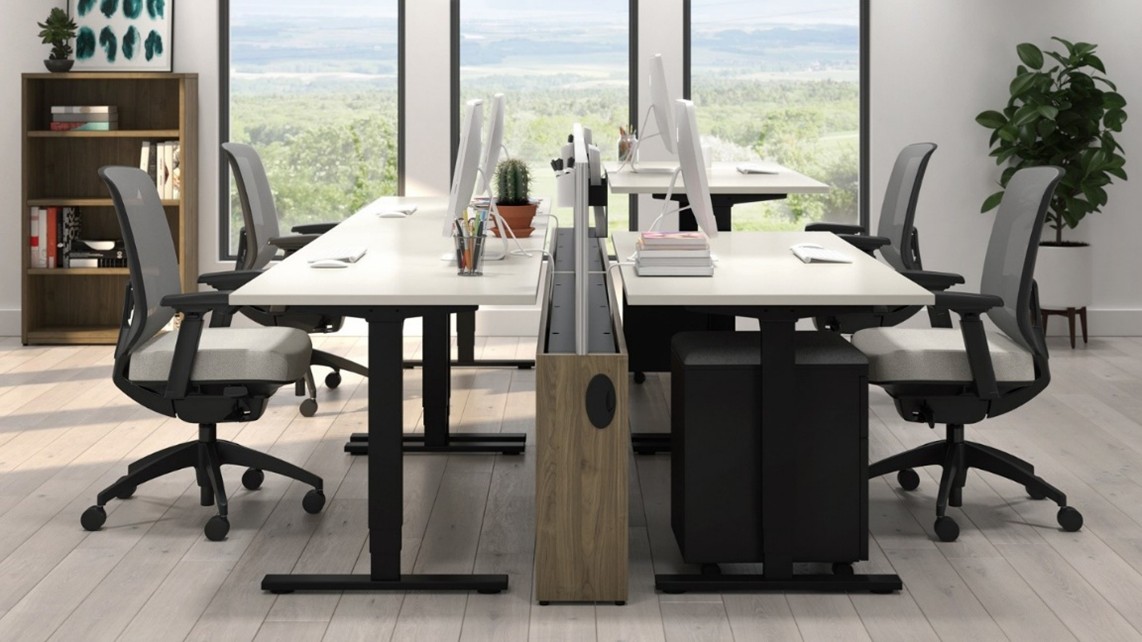
2. Use Thoughtful Storage to Minimize Clutter
A cluttered desk often equals a cluttered mind. Investing in storage solutions like filing cabinets, credenzas, or modular shelving keeps paperwork, supplies, and personal items neatly organized.
Closed storage options help maintain a tidy look, while open shelving can display select items that bring a sense of personality without overwhelming the space. This balance of clean surfaces with curated personal touches creates a work environment that feels both ordered and welcoming.
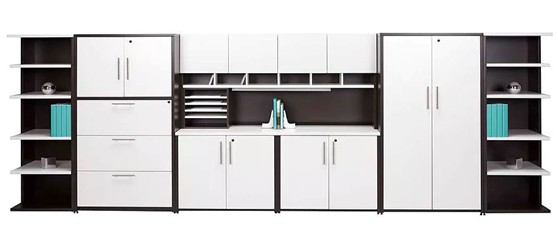
3. Create Spaces for Different Work Modes
Not every task needs the same kind of focus. Open benching systems or collaborative tables are great for teamwork, but private nooks or lounge areas with soft seating allow people to decompress or handle heads-down work.
Acoustic panels, upholstered partitions, and well-placed bookshelves can also double as subtle sound barriers, reducing distractions and offering visual privacy. The ability to move between different settings throughout the day — from a formal workstation to a relaxed corner chair — helps manage stress and keeps the mind engaged.
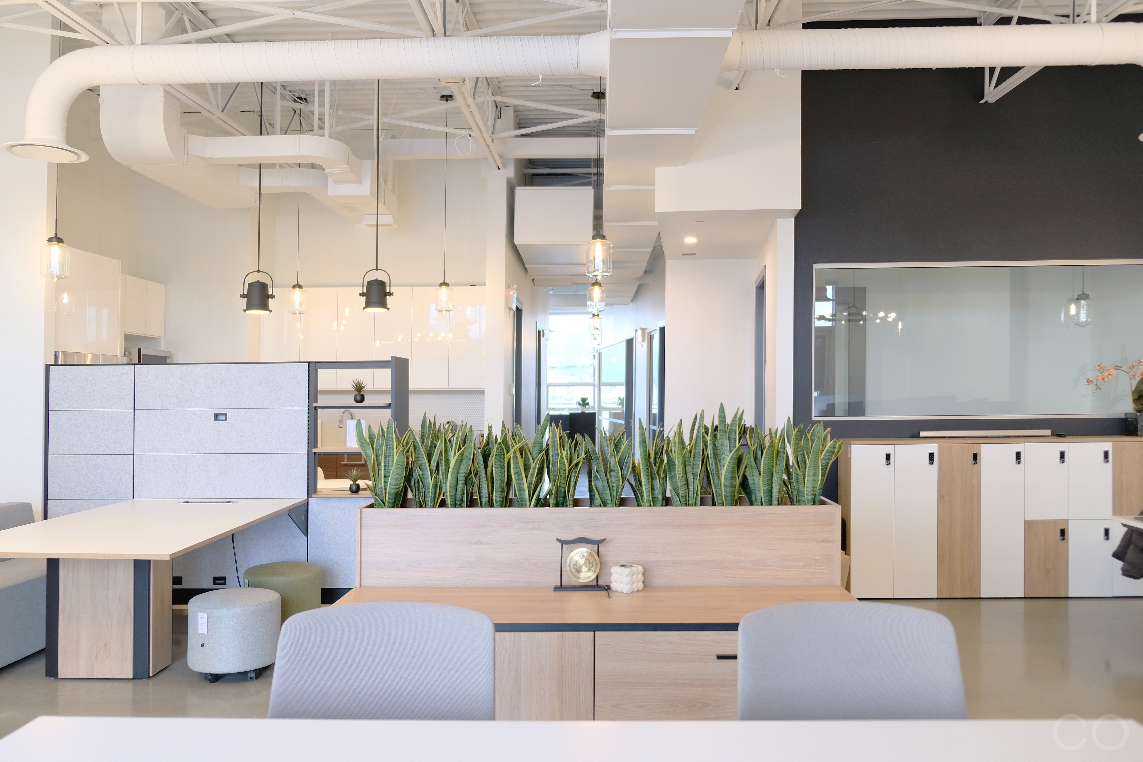
4. Bring in Natural Elements and Calming Tones
Incorporating plants, natural wood finishes, and gentle color palettes has a quiet but powerful effect. Wood desks or tables, fabric panels in muted greens and blues, and biophilic touches like living walls all help lower stress.
Even office furniture with softer shapes, rounded edges, and tactile materials can make a workspace feel more approachable and less sterile, subtly encouraging relaxation and steady focus.
Conclusion
By prioritizing comfort, minimizing clutter, creating varied work zones, and incorporating natural elements, businesses can design offices that ease stress and sharpen focus. Many companies also take advantage of the summer months to remodel or optimize their spaces, ensuring employees return to an environment that truly supports their well-being and productivity.
Today's most successful organizations no longer view the workplace as simply a place to conduct business. Instead, they recognize it as a strategic asset—one that influences productivity, strengthens company culture, enhances employee well-being, and shapes the experience of every client who walks through the door. The workplace is often the first physical representation of...
+ Read More
Speed defines competitive advantage in 2026. Markets shift faster. Teams execute tighter deadlines. Talent expects more. Yet many organizations are still operating in spaces designed for a different era—offices that unintentionally create friction instead of momentum. An office should accelerate performance, not quietly restrict it. Design That Removes Friction...
+ Read More
As we launch into 2026, businesses everywhere are focusing squarely on growth, productivity, and sustained performance. In an increasingly competitive world—where clarity, speed, and consistency matter more than ever—the environments in which we work have evolved from background necessities into strategic assets. This year, the organizations that thrive will be those that intentionally...
+ Read More

