
- Products
- Quickship
- Clearance
- Services
- Projects
- Contact
- About Us
- Testimonials

As we launch into 2026, businesses everywhere are focusing squarely on growth, productivity, and sustained performance. In an increasingly competitive world—where clarity, speed, and consistency matter more than ever—the environments in which we work have evolved from background necessities into strategic assets. This year, the organizations that thrive will be those that intentionally create spaces that support people, not just tasks.
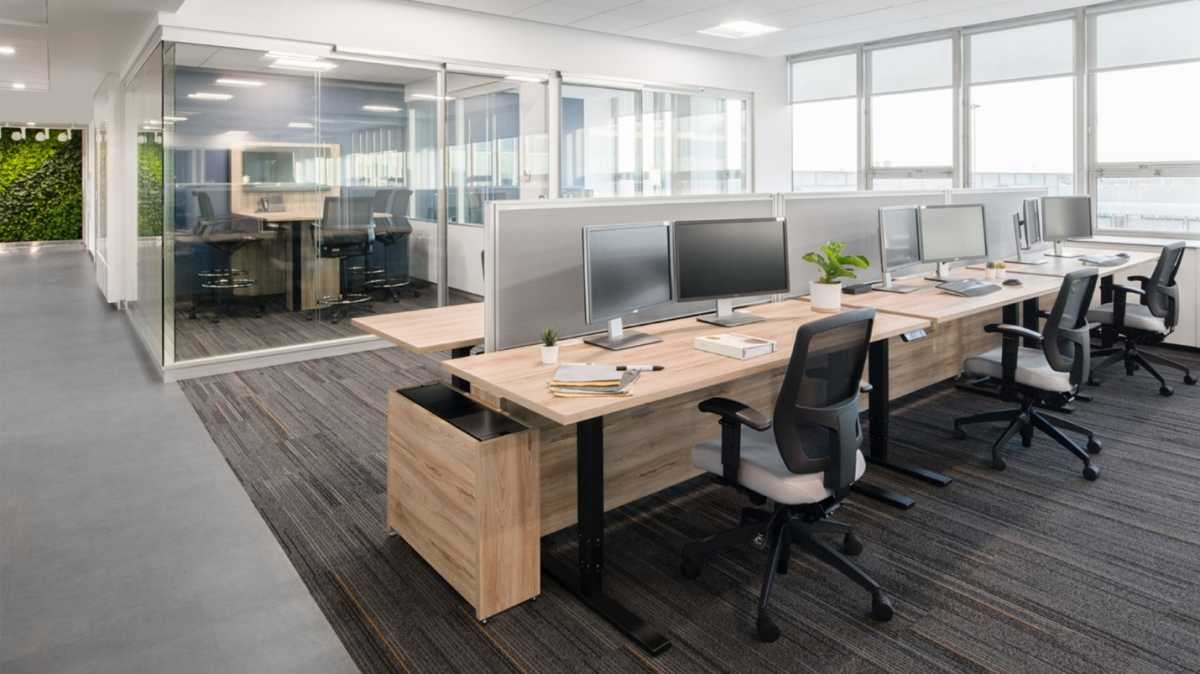
The connection between workspace design and business outcomes isn’t abstract—it’s felt every day in focus levels, energy, and execution. When the physical environment supports the way people move, sit, and think, work becomes more fluid. When it doesn’t, productivity quietly erodes through fatigue, distraction, and discomfort.
Small inefficiencies compound. Poor posture, limited adjustability, and static workstations increase physical strain, which in turn affects concentration and decision-making. In contrast, well-designed workspaces reduce friction and allow teams to maintain momentum throughout the day.

There is strong evidence behind this. A study referenced by the Washington State Department of Labor & Industries observed that introducing ergonomic furniture correlated with up to a 40% increase in productivity across more than 4,000 employees. The improvement wasn’t driven by longer hours or added pressure, but by reducing physical stress and enabling people to work more naturally. This isn’t about comfort alone—it’s about unlocking sustained performance.
Forward-thinking organizations increasingly view workspace decisions as part of their broader performance and culture strategy. Environments that are adaptable, supportive, and thoughtfully designed send a clear message: people are valued. That perception often translates into higher engagement, stronger collaboration, and improved retention.
As work continues to evolve—balancing focus, collaboration, and flexibility—spaces must do more than look good. They must actively support different modes of work, quietly shaping outcomes every day.
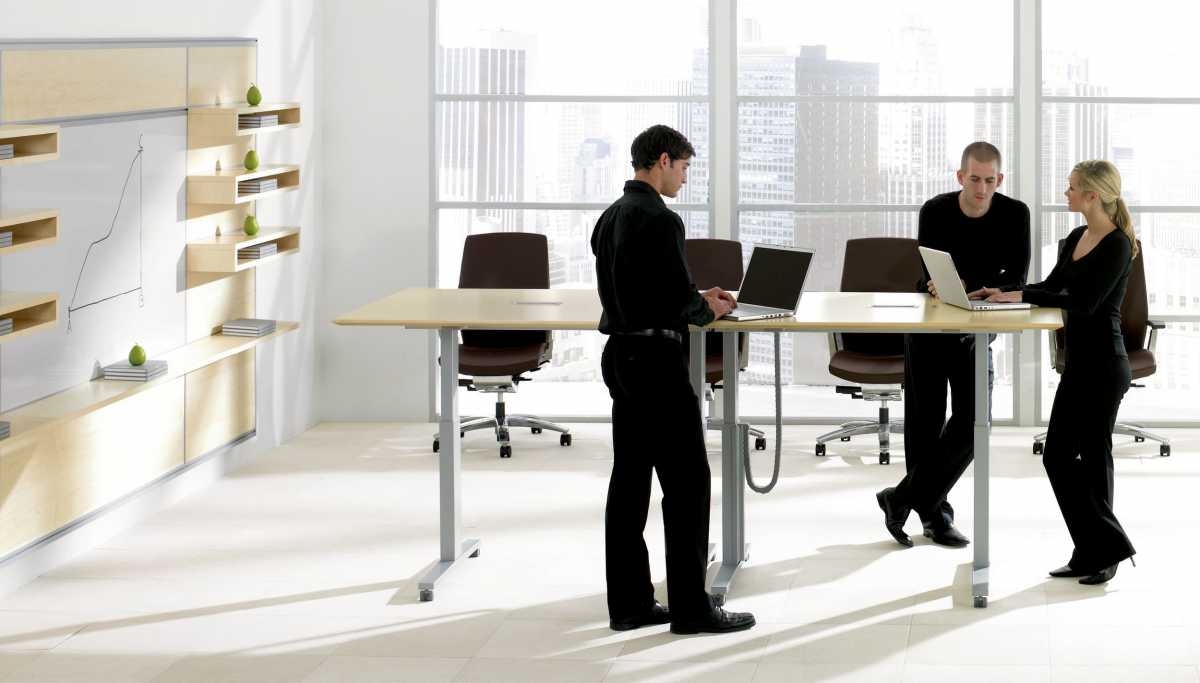
In 2026, growth will belong to organizations that invest not only in strategy and talent, but in the conditions that allow people to perform at their best. The right workspace removes barriers, protects well-being, and creates the foundation for clarity, productivity, and progress. When the environment works in harmony with people, success follows naturally.
Today's most successful organizations no longer view the workplace as simply a place to conduct business. Instead, they recognize it as a strategic asset—one that influences productivity, strengthens company culture, enhances employee well-being, and shapes the experience of every client who walks through the door. The workplace is often the first physical representation of...
+ Read More
Speed defines competitive advantage in 2026. Markets shift faster. Teams execute tighter deadlines. Talent expects more. Yet many organizations are still operating in spaces designed for a different era—offices that unintentionally create friction instead of momentum. An office should accelerate performance, not quietly restrict it. Design That Removes Friction...
+ Read More
As we launch into 2026, businesses everywhere are focusing squarely on growth, productivity, and sustained performance. In an increasingly competitive world—where clarity, speed, and consistency matter more than ever—the environments in which we work have evolved from background necessities into strategic assets. This year, the organizations that thrive will be those that intentionally...
+ Read More

