
- Products
- Quickship
- Clearance
- Services
- Projects
- Contact
- About Us
- Testimonials

Speed defines competitive advantage in 2026. Markets shift faster. Teams execute tighter deadlines. Talent expects more. Yet many organizations are still operating in spaces designed for a different era—offices that unintentionally create friction instead of momentum.
An office should accelerate performance, not quietly restrict it.
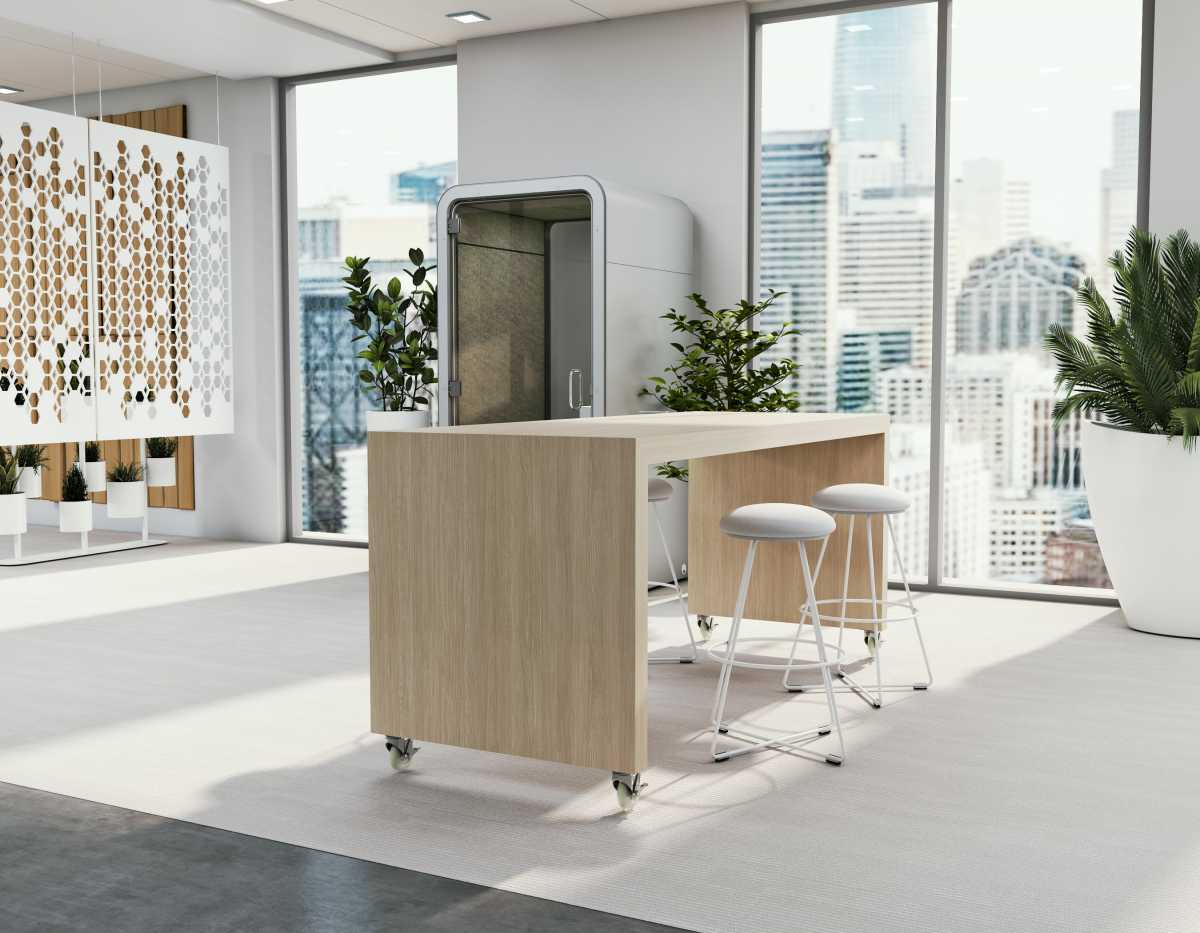
Every unnecessary movement, awkward reach, or fixed layout creates small interruptions. Over time, those interruptions compound. A workspace that flows—clear pathways, logical layouts, and accessible tools—reduces wasted motion and decision fatigue.
In high-performing organizations, change is constant. Teams expand. Departments reorganize. Priorities shift. Static furniture setups make growth expensive and disruptive.
Modular desks, reconfigurable benching systems, and adaptable meeting tables allow offices to evolve without reconstruction. The ability to add stations, adjust configurations, or redefine zones quickly keeps operations agile. When the workspace adapts easily, leadership can make strategic decisions without worrying about physical limitations.
When teams can move naturally between focus areas, meeting points, and collaborative zones, work progresses without resistance. Smart spatial planning isn’t about aesthetics alone; it’s about engineering efficiency into the environment.

An office communicates before anyone speaks. Clients notice it. Prospective hires feel it. Employees internalize it.
Cohesive finishes, intentional layouts, and durable, well-crafted furniture signal stability and attention to detail. They reinforce culture. They support confidence. A workspace aligned with a company’s ambitions strengthens credibility at every interaction point.
In 2026, progress belongs to organizations that eliminate bottlenecks—especially the silent ones. The right office environment removes physical strain, adapts to structural change, and supports daily execution without distraction. It enables focus when focus is required and collaboration when ideas must move quickly.
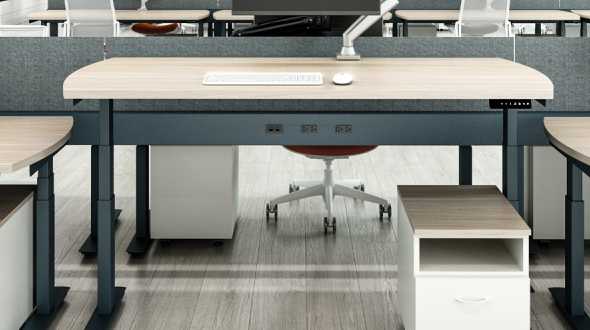
Today's most successful organizations no longer view the workplace as simply a place to conduct business. Instead, they recognize it as a strategic asset—one that influences productivity, strengthens company culture, enhances employee well-being, and shapes the experience of every client who walks through the door. The workplace is often the first physical representation of...
+ Read More
Speed defines competitive advantage in 2026. Markets shift faster. Teams execute tighter deadlines. Talent expects more. Yet many organizations are still operating in spaces designed for a different era—offices that unintentionally create friction instead of momentum. An office should accelerate performance, not quietly restrict it. Design That Removes Friction...
+ Read More
As we launch into 2026, businesses everywhere are focusing squarely on growth, productivity, and sustained performance. In an increasingly competitive world—where clarity, speed, and consistency matter more than ever—the environments in which we work have evolved from background necessities into strategic assets. This year, the organizations that thrive will be those that intentionally...
+ Read More

