
- Products
- Quickship
- Clearance
- Services
- Projects
- Contact
- About Us
- Testimonials

When setting up a new office space, whether for a new business, relocating your company, or accommodating additional employees, one key consideration is the square footage. The amount of space allocated for a particular worker or task is a dynamic figure, but with businesses modernising, going paperless, and with the rise of remote work, that number has been trending downwards.

Various online tools, such as this calculator, can assist in estimating the space required for a team. However, the ultimate area needed is contingent upon the nature of the work. Architects may require large tables to roll out drawings, while copywriters might only need a compact station where they can plug in their laptop. Executives or lawyers may need private offices for confidential meetings, while multiple boardrooms could be essential for staff engaged in frequent break-out meetings.
The first step in determining the space your office will require is to list all primary tasks your team members regularly perform. Then, assess which spaces and furniture will best support those activities.
As employees gradually return to the office post-lockdown, businesses are acknowledging the pros and cons of remote work. Some businesses are adopting a blended or 'hybrid' schedule, where employees work part of the week from home and the rest in the office. To avoid leaving the office empty for half the week, a hotelling strategy can be implemented, drastically reducing the square footage required. Through a set schedule or a reservation-style system, multiple individuals can share the same desk space, optimizing office usage.
Considerations such as providing laptop docks and keyed drawers for personal storage accompany this approach. However, the cost savings from leasing agreements can be reinvested in offering higher quality amenities for staff.

Office furniture has evolved significantly over the past decade, introducing versatile options like flip-top training tables, nesting chairs, portable divider walls, and mobile whiteboards. Incorporating such items can enhance flexibility, enabling rooms to serve dual purposes by easily moving and storing furniture. This allows for an overall reduction in office space while maintaining the agility to adapt to changing situations swiftly.

Seeking concrete figures? The Canadian Centre for Occupational Health and Safety website outlines space ranges for specific tasks, with the industry consensus suggests anywhere from 75 to 200 square feet per employee. As these ranges are broad, Buy Rite recommends a personalized approach, focusing on the actual furniture and layout tailored to your business needs.
Also consider futureproofing and plan ahead if you ever need to expand your space later. If your company grows, you might need to lease the next suite over as well, or turn one of your boardrooms into desk space.
Whether reconfiguring an existing space or exploring new locations, it's never too early to consider the necessary equipment and furnishings. Our team of consultants are always ready to talk to you about your office space and help you plan ahead. Contact our team at 604-999-7483 or email us at info@buyritebc.com
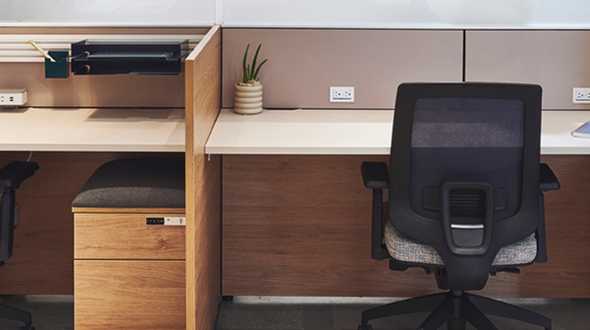
Planning for 2027 is already a chance to look at what your team will need to do its best work. The Bank of Canada’s July 2026 outlook projected Canadian GDP growth of 0.7% in 2026 and 1.8% in 2027. That projection offers one reason for businesses to consider how their people, tools, and workplaces can support the year ahead. Read the Bank of Canada’s outlook. Budgets often focus on technology...
+ Read More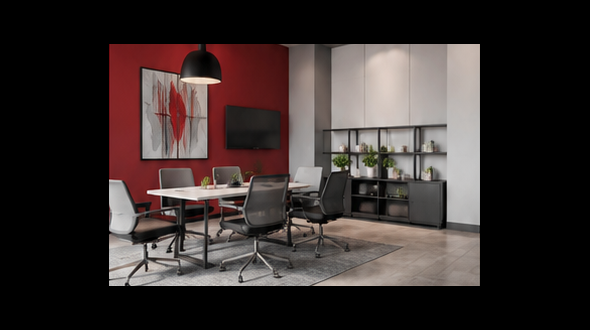
Quality shows up in the details of a workplace. The chair an employee uses every day, the way a workstation is organized, and the condition of a meeting room all shape how people experience the office. Well-chosen furniture can help a business express its standards while supporting the work that happens there. Quality is more than appearance Design matters, but it is only one part of...
+ Read More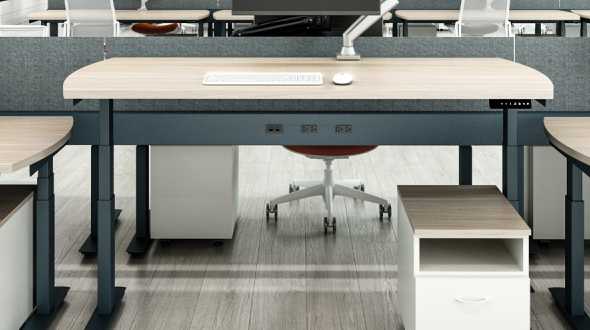
Successful companies invest in more than strategy, technology, and talent. They also consider the environment where people work every day. A thoughtfully planned office can support focus, collaboration, employee comfort, and the way clients experience a business. Design the workplace around the work Every office brings together different kinds of work. Employees may need quiet time for...
+ Read More

