
- Products
- Quickship
- Clearance
- Services
- Projects
- Contact
- About Us
- Testimonials


Indoor air quality is a growing concern, with many modern airtight office buildings allowing the accumulation of air pollutants that lead to “sick building syndrome.” Volatile organic compounds (VOCs) off-gassed from office furniture, carpet, cleaning products, and electronics can cause short and long term health issues for workers. Strategically incorporating houseplants into office spaces has been shown to help naturally filter out these harmful toxins.
Studies by NASA, University of Queensland, Washington State University and others have tested how effectively different houseplants can absorb common VOCs like benzene, formaldehyde, trichloroethylene, and xylene. Popular office plants like peace lilies, English ivy, azaleas, and snake plants were found to remove 60-90% of these toxins from sealed lab chambers over 24-hour test periods [1].
Beyond just air purification, offices with live indoor plants have also demonstrated tangible gains in worker satisfaction and productivity. In multiple studies, employees working in spaces with added greenery report 15-25% higher job satisfaction, productivity, and cognitive function compared to those in sterile plant-free offices [2][3]. Researchers attribute these psychological and performance boosts to biophilic reactions - humans innately focusing and functioning better when surrounded by natural elements.
A 2015 global workplace report on biophilic design emphasized the importance of integrating natural elements like plants, sunlight, natural materials and views of nature in office environments [4]. Though it did not provide exact quantified gains, the report referenced academic studies showing biophilic design improves outcomes like employee wellbeing, productivity, and creativity. For example, it cited research indicating people derive greater mental restoration and recovery from nature-inspired spaces. The report concluded that incorporating biophilic design can have a significant positive impact on workers.
Houseplants can be a cost-effective complementary strategy to improve indoor office air quality. Place them near ventilation systems, common work zones, and individual desks to maximize air circulation exposure. Choose hardy varieties suited to indoor conditions and experiment with placements to determine impact. Focus on the root zone soil as this is where much of the VOC breakdown occurs through microorganism interactions. Maintain plants per individual variety light and watering needs.
Adding a few houseplants is an easy way to bring nature’s benefits indoors. You’ll not only breathe easier, but also potentially see gains in worker satisfaction, cognitive function, and productivity from the tranquil green ambiance. As urban office environments become more isolated from the natural world, purposeful biophilic elements like houseplants will only grow in value for employee health, wellness and performance.
References:
If you want to know more contact us:
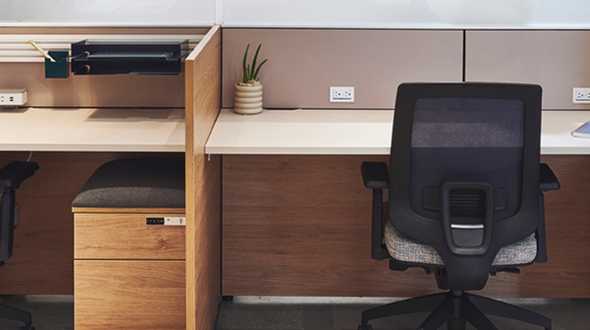
Planning for 2027 is already a chance to look at what your team will need to do its best work. The Bank of Canada’s July 2026 outlook projected Canadian GDP growth of 0.7% in 2026 and 1.8% in 2027. That projection offers one reason for businesses to consider how their people, tools, and workplaces can support the year ahead. Read the Bank of Canada’s outlook. Budgets often focus on technology...
+ Read More
Quality shows up in the details of a workplace. The chair an employee uses every day, the way a workstation is organized, and the condition of a meeting room all shape how people experience the office. Well-chosen furniture can help a business express its standards while supporting the work that happens there. Quality is more than appearance Design matters, but it is only one part of...
+ Read More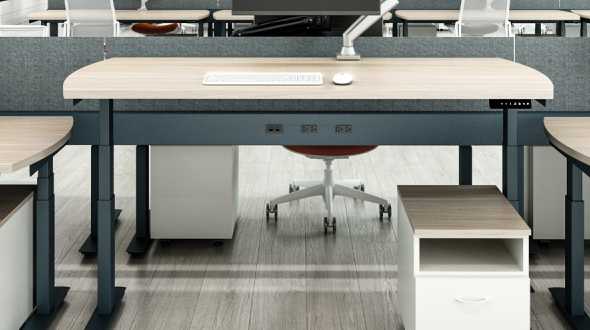
Successful companies invest in more than strategy, technology, and talent. They also consider the environment where people work every day. A thoughtfully planned office can support focus, collaboration, employee comfort, and the way clients experience a business. Design the workplace around the work Every office brings together different kinds of work. Employees may need quiet time for...
+ Read More

