
- Products
- Quickship
- Clearance
- Services
- Projects
- Contact
- About Us
- Testimonials


In the realm of office design, optimizing limited space can pose a significant challenge. However, fear not, as this article offers effective strategies to help you maximize the potential of your small office space. By employing these practical approaches, you can transform your compact workspace into an efficient and inviting environment. Discover the key tactics that will allow you to make the most of your limited office space.
When dealing with restricted space, multi-functional furniture becomes your best ally. Seek out pieces that serve multiple purposes, such as desks with built-in storage or fold-out wall-mounted tables. By incorporating such versatile furniture, you can save space and maintain a well-organized office.
Don't overlook the vertical dimension of your office! Take advantage of your walls by installing shelves, pegboards, or wall-mounted organizers. These additions will help you keep your workspace free from clutter and ensure easy access to essential items.
Light colors can work wonders in small spaces, creating an illusion of openness and airiness. Consider using soft shades of blue, green, or gray for your walls and furniture, as they can cultivate a calm and focused atmosphere. To add visual interest, incorporate pops of color through accessories or artwork while maintaining a professional aesthetic.
Natural light plays a vital role in creating a comfortable and inviting workspace. Make the most of any windows in your office by keeping them unobstructed and using light, sheer curtains to maximize sunlight. If natural light is limited, invest in high-quality artificial lighting to ensure your space remains bright and welcoming.
Mirrors can be a game-changer in small office spaces, as they reflect light and create an illusion of spaciousness. Strategically place a mirror opposite a window or light source to amplify its impact, making your small office feel larger and more open.
Think creatively when it comes to storage solutions. Utilize decorative baskets, boxes, or even wall-mounted planters to store office supplies and maintain a tidy workspace. This approach not only keeps you organized but also adds a touch of personality to your office.
Carefully consider the layout of your small office space to maximize efficiency and functionality. Start by assessing the flow of movement and identify potential bottlenecks or wasted areas. Arrange furniture and equipment strategically to create an open and unobstructed pathway. Explore different configurations to find the most space-saving arrangement that suits your workflow. Additionally, consider using modular or flexible furniture that can be easily rearranged to adapt to changing needs. By optimizing the floorplan layout, you can create an organized and streamlined workspace that maximizes every square inch of your small office.
As you navigate the challenges of organizing and optimizing your small office space, remember these strategies. By implementing these tactics, you can maximize efficiency and create an environment that is both functional and visually appealing. Embrace the potential of your small office, and enjoy the benefits of a well-utilized workspace.
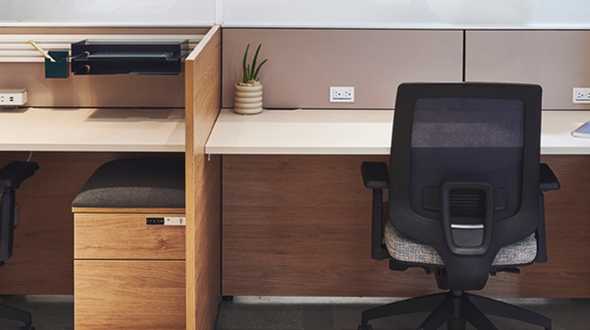
Planning for 2027 is already a chance to look at what your team will need to do its best work. The Bank of Canada’s July 2026 outlook projected Canadian GDP growth of 0.7% in 2026 and 1.8% in 2027. That projection offers one reason for businesses to consider how their people, tools, and workplaces can support the year ahead. Read the Bank of Canada’s outlook. Budgets often focus on technology...
+ Read More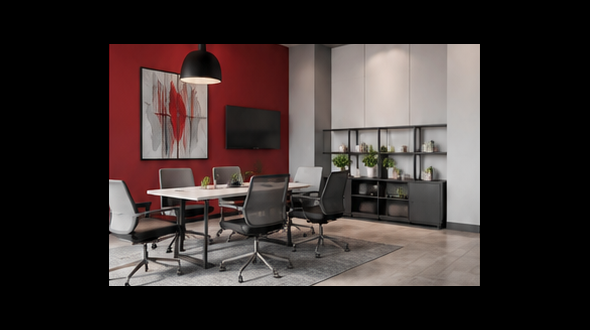
Quality shows up in the details of a workplace. The chair an employee uses every day, the way a workstation is organized, and the condition of a meeting room all shape how people experience the office. Well-chosen furniture can help a business express its standards while supporting the work that happens there. Quality is more than appearance Design matters, but it is only one part of...
+ Read More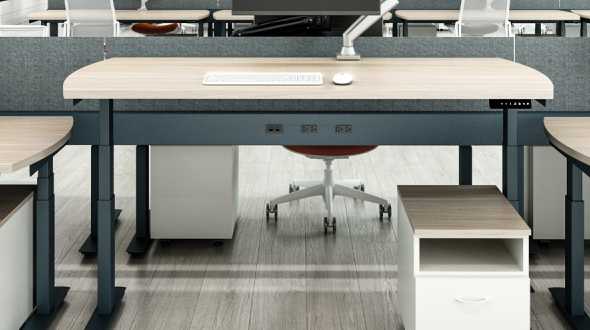
Successful companies invest in more than strategy, technology, and talent. They also consider the environment where people work every day. A thoughtfully planned office can support focus, collaboration, employee comfort, and the way clients experience a business. Design the workplace around the work Every office brings together different kinds of work. Employees may need quiet time for...
+ Read More

